Interview with Shai C, Author of Love That Was Meant For Me
In this Frontlist interview, Shai shares insights on love, emotional healing, attachment patterns, vulnerability, and building healthier relationships.on Jul 16, 2026
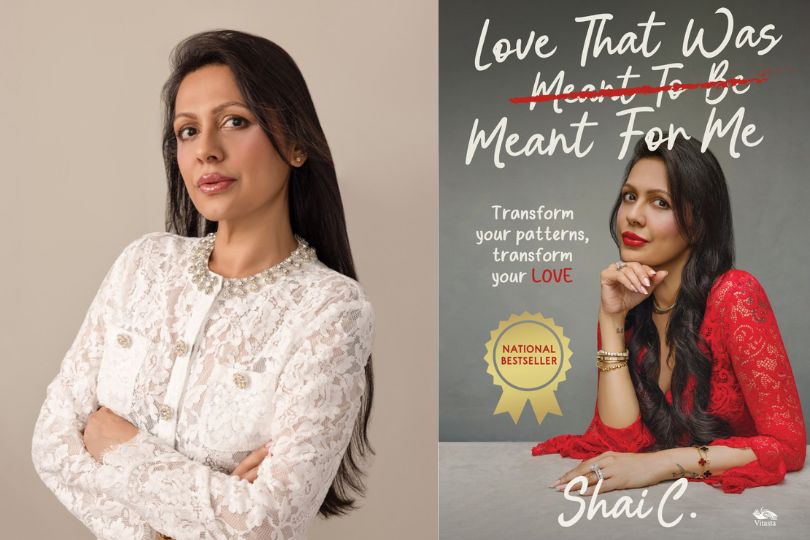
Frontlist: Our July theme is “The Inner Life of Stories.” In your experience, how do the stories we tell ourselves about love shape the relationships we ultimately create and accept?
Shai: I believe the most powerful stories we ever hear are the ones we quietly tell ourselves. Long before someone hurts us or loves us, we’ve already developed a narrative about what we believe we deserve. If someone grows up believing that love requires sacrifice, they may confuse suffering with commitment. If someone believes they have to earn love, they’ll often tolerate behaviors that slowly diminish them.
One of the biggest lies in relationships isn’t “I love you.” It isn’t even “You’re special.” The biggest lie is often the one we tell ourselves: “This doesn’t bother me.” Or, “This must be my fault.” That’s self-gaslighting, and it quietly keeps people trapped in relationships that don’t honor who they are.
The healthiest relationships begin when we rewrite our internal story. Instead of asking, “How do I make someone love me?” we begin asking, “What kind of love allows me to remain myself?” That’s where everything changes.
Frontlist: This book encourages readers to examine painful relationship patterns with honesty and compassion. What inspired you to transform your own experiences and professional insights into such a deeply personal guide?
Shai: As a psychotherapist, I’ve had the privilege of sitting with hundreds of people as they shared their deepest pain. What amazed me was that although everyone’s story was different, the emotional themes were remarkably similar - fear of abandonment, questioning self-worth, carrying unresolved trauma, and desperately wanting to feel emotionally safe.
My own life has taught me those lessons as well. I never wanted to write another relationship book filled with generic advice or unrealistic optimism. I wanted to write something that felt like someone sitting beside you saying, “I understand. I’ve been there, and healing is possible.”
Professionally, my work combines cognitive behavioral therapy, dialectical behavioral therapy, and multisystemic therapeutic approaches. But beyond techniques, I’ve learned that healing isn’t about becoming someone new. It’s about returning to the person trauma convinced you that you weren’t allowed to be.
That’s why Love That Was Meant For Me became deeply personal. It isn’t simply a book about relationships. It’s a book about coming home to yourself.
Frontlist: Many people view heartbreak as an ending, yet your book presents it as an opportunity for growth. How can emotional pain become a catalyst for self-discovery and healing?
Shai: Heartbreak doesn’t create our wounds - it reveals the ones that were already there.
Pain has a remarkable way of exposing the beliefs we’ve carried for years. It forces us to ask difficult questions: Why did I stay? Why did I ignore what I knew? Why did I believe I had to settle for less than I deserved?
Healing isn’t about pretending the pain never happened. I don’t believe we erase trauma. I believe we process it so it no longer dictates the quality of our lives.
Heartbreak becomes transformational when we stop asking, “Why did this happen to me?” and begin asking, “What is this experience trying to teach me about myself?” That’s where resilience is built - not by avoiding pain, but by allowing it to become wisdom.
Frontlist: A recurring theme in the book is the importance of understanding attachment wounds. Why do you believe self-awareness is often the first step toward finding healthier and more fulfilling relationships?
Shai: We cannot change what we don’t understand.
Many people enter relationships believing they’re responding to the present, when in reality they’re reacting to experiences from years ago. Attachment wounds influence how we communicate, how we trust, how we handle conflict, and even the type of partners we’re drawn toward.
Self-awareness gives us the opportunity to pause before repeating old patterns. One of the concepts I often share with clients is this: You don’t have to love me because I love myself. You don’t have to value me because I know my own value. You don’t have to respect me because respect is earned. But if we’re going to build a healthy relationship, you do have to help create emotional safety.
For me, emotional safety is the true foundation of love. Without it, intimacy becomes survival instead of connection.
Frontlist: You combine clinical expertise with personal storytelling throughout the book. How do stories help people connect with difficult truths that advice alone often cannot reach?
Shai: Advice speaks to the mind. Stories speak to the heart. People rarely change because someone gives them better information. They change because they finally recognize themselves in someone else’s experience.
As therapists, we often explain cognitive distortions, trauma responses, or attachment styles. Those concepts are important, but they become meaningful when someone can say, “That’s me. That’s exactly what I’ve been feeling.”
Stories remove shame because they remind people they aren’t alone.
My goal was never to position myself as the expert with all the answers. It was to be human first. Vulnerability creates permission for others to become vulnerable with themselves, and that’s where lasting healing begins.
Frontlist: In a world that often encourages people to move on quickly from emotional setbacks, what role do reflection and vulnerability play in genuine healing?
Shai: We live in a culture that celebrates distraction more than reflection. People are often told to stay busy, date someone new, or simply move on.
But healing doesn’t happen because time passes. Healing happens because we become willing to understand what happened within us.
Reflection allows us to recognize patterns instead of repeating them. Vulnerability allows us to stop performing strength and start practicing honesty.
There’s tremendous courage in saying, “I’m hurting.” There’s even more courage in asking, “What part of me still needs healing?”
The goal isn’t to become someone who never feels pain. The goal is to become someone who no longer abandons themselves in the presence of pain.
Frontlist: Many readers struggle with self-worth after difficult relationships. What are some of the most common emotional patterns that prevent people from believing they deserve healthy love?
Shai: One of the most common patterns I see is confusing familiarity with compatibility. People often choose relationships that feel emotionally familiar, even if they’re unhealthy, because that’s what their nervous system has learned to recognize.
Another pattern is believing that love must be earned through constant sacrifice, fixing, or proving one’s worth.
Then there’s self-gaslighting - the internal dialogue that says, “I’m overreacting,” “Maybe I’m expecting too much,” or “If I were better, this relationship would work.”
Over time, those thoughts slowly disconnect people from their own intuition.Healthy love doesn’t require you to abandon yourself to keep someone else comfortable.
When someone truly values themselves, they stop chasing validation and begin choosing reciprocity.
Frontlist: If readers finish Love That Was Meant For Me with one new understanding about themselves, love, and emotional healing, what would you hope that realization is?
Shai: More than anything, I hope readers realize that healing isn’t about becoming worthy of love.
They were always worthy.
The journey is about removing the beliefs, fears, and unresolved pain that convinced them otherwise.
I want people to understand that the relationship they’ve been searching for begins with the relationship they build with themselves.
When you know your value, you stop negotiating it.When you understand your trauma, you stop allowing it to choose your relationships.
When you create emotional safety within yourself, you naturally seek relationships that protect that safety rather than threaten it.
Ultimately, Love That Was Meant For Me isn’t simply about finding the right person. It’s about becoming the healthiest version of yourself so that when love arrives, you recognize It not because it feels familiar, but because it feels safe, authentic, and deeply aligned with who you truly are.
Post a comment
0 comments

Trending Posts
.jpg)
.jpg)

.jpeg)
.jpg)

Recent Post
.jpg)
.jpg)
Related Post



© 2026 - Frontlist - News and Updates of Publishing Industry, Book Reviews, Education News, Author Interviews, and Videos.. All Rights Reserved.
Sorry! No comment found for this post.